
Compressed air for the automotive and metalworking industry
Workshop and intensive line.
The automotive and metals industry consumes large volumes of compressed air for painting, pneumatic tooling, spot-welding robots, hydraulic presses and test benches. Plants run 3-shift operations and demand maximum availability, with energy efficiency tailored to constant-load profiles.
What needs to be solved.
- 01Deliver massive continuous flow (typically 30 to 100 m³/min) with optimal energy efficiency, especially on stable-load lines.
- 02Guarantee air quality compliant with ISO 8573-1 class 2 to 3 in paint shops (oil, water, particles within spec).
- 03Keeping air quality within spec in paint shops, where oil, water and particles ruin a body panel.
Our technical answer.
A three-shift plant pays for its air in energy, not in purchase price. The families below target that line.
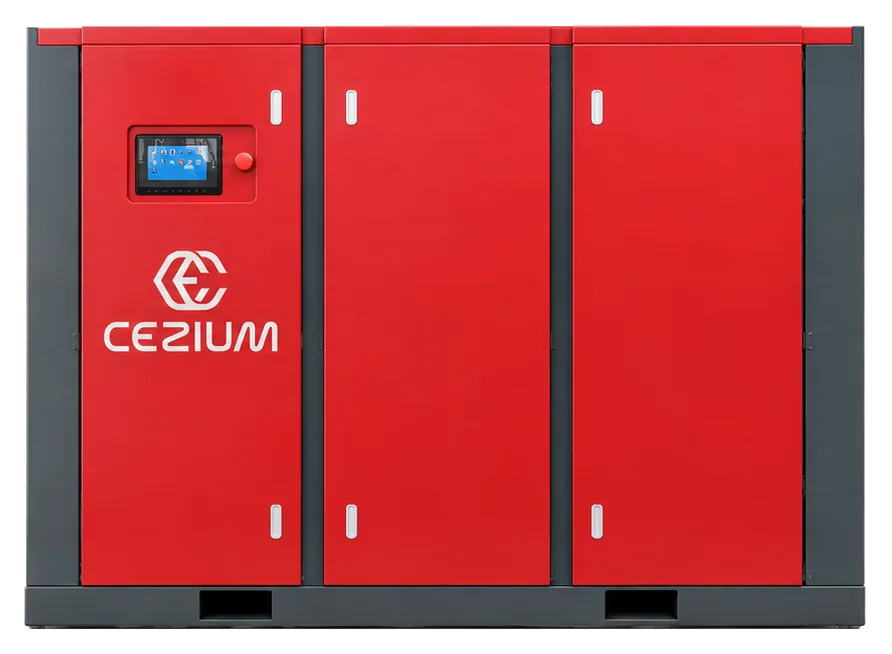
Two-stage screw
22 to 250 kWTwo compression stages with intercooling: the highest efficiency on a sustained base load, where the machine runs without interruption.
27 catalogue models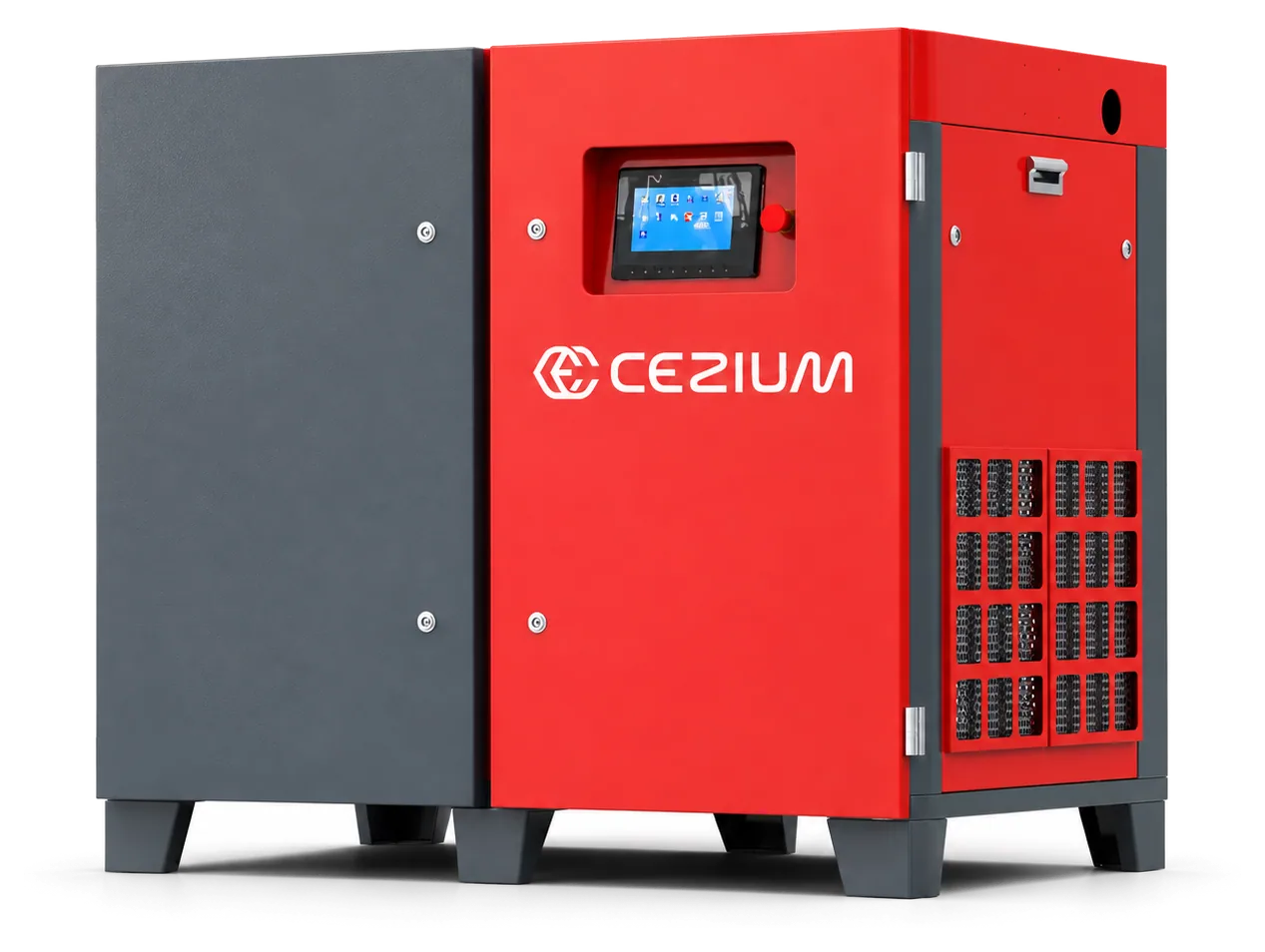
Fixed-speed screw
7.5 to 250 kWThe reference for topping up the base load, when demand is stable and known.
32 catalogue models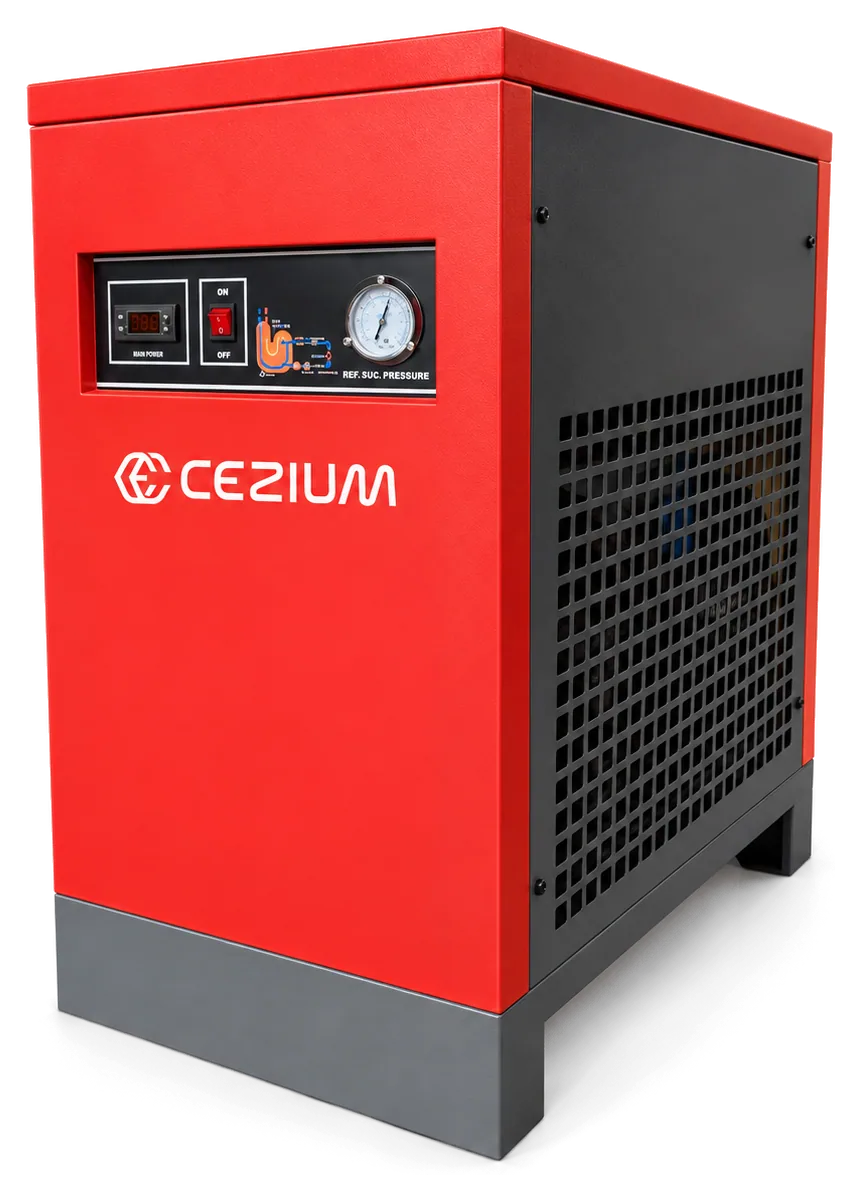
Refrigerated dryer (air)
0.7 to 110 m³/minThe workshop's standard refrigerant dryer: positive dew point, low consumption, enough outside a demanding paint booth.
30 catalogue modelsApplicable standards.
Compliances are verified case by case according to the selected model and audit scope. Complete documentation provided with each machine.
The classes usually required
The paint booth is the hard point: oil, water and particles ruin a body panel there. The rest of the workshop lives with wider classes.
| Point of use | Particles | Water (dew point) | Oil |
|---|---|---|---|
| Paint booth and coating application | Classe 2 | +3 °C (classe 4) | Classe 1 |
| Robots, presses and line automation | Classe 3 | +3 °C (classe 4) | Classe 2 |
| Pneumatic tools and blow guns | Classe 4 | +3 °C (classe 4) | Classe 3 |
The questions we are asked
Is a two-stage compressor the right fit for a three-shift plant?
What air quality should a paint booth aim for?
Why does working pressure weigh so much on the bill?
Worth reading before deciding
Two-stage screw compressor: around 10% less energy than a standard screw
A two-stage screw compressor compresses air in two steps with intercooling in between, close to the theoretical isothermal cycle. Around 10% less energy than a standard screw at constant load; with a permanent magnet drive, on a variable load, the two gains combine.
How to calculate and reduce pressure drop in a compressed air network
A 1 bar pressure drop costs around 7% in energy across the whole compressed air installation. Here is how to calculate it, measure it and reduce it: pipe diameter, network layout, filters, dryer, fittings.
Describe your process. We'll propose the right machine combination.
Reply from our technical team within 24 working hours. Free pre-study including sizing and budget estimate.