
Compressed air for the chemical and petrochemical industry
Corrosive and demanding environments.
Chemical and petrochemical sites handle flammable, corrosive or toxic products. Compressed air and industrial vacuum must operate in ATEX zone 1 or 2, withstand aggressive vapors, and guarantee integrity even in case of gas backflow from the process to the pneumatic installation.
What needs to be solved.
- 01Choosing equipment compatible with your zone classification: the exact scope (compressor, dryer, filtration, vacuum) is settled project by project with you.
- 02Withstand corrosive vapors (HCl, H₂S, NH₃) without premature degradation: materials and anti-corrosion treatments chosen for the process.
- 03Ensure 24/7 operational continuity on batch and continuous processes, with planned preventive maintenance and parts shipped within 24 to 48 hours.
Our technical answer.
On a chemical site, instrument air does not stop. The families below target availability first.
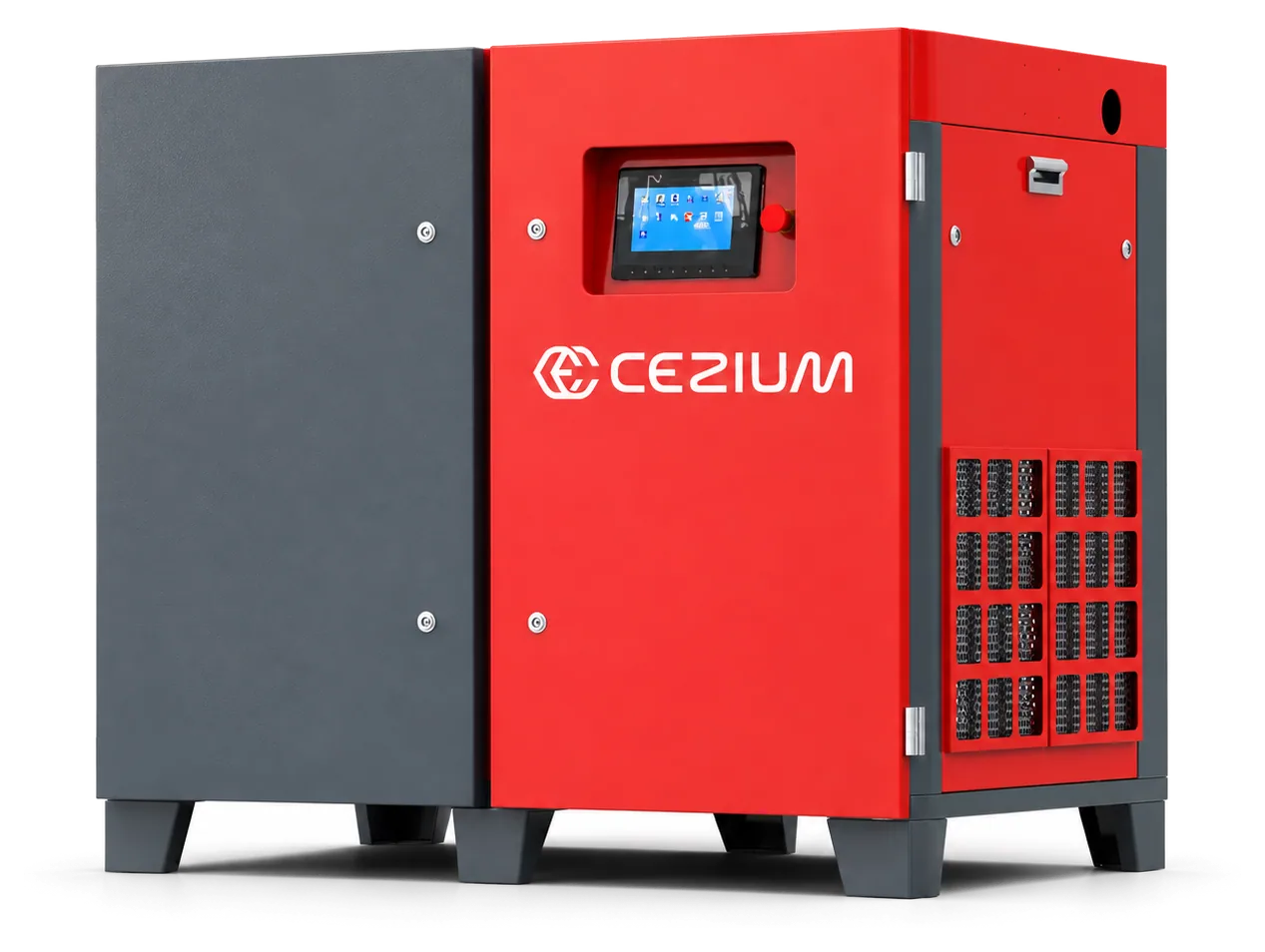
Fixed-speed screw
7.5 to 250 kWA simple, proven, repairable machine with a clear maintenance plan: that is what holds on a continuously running site.
32 catalogue models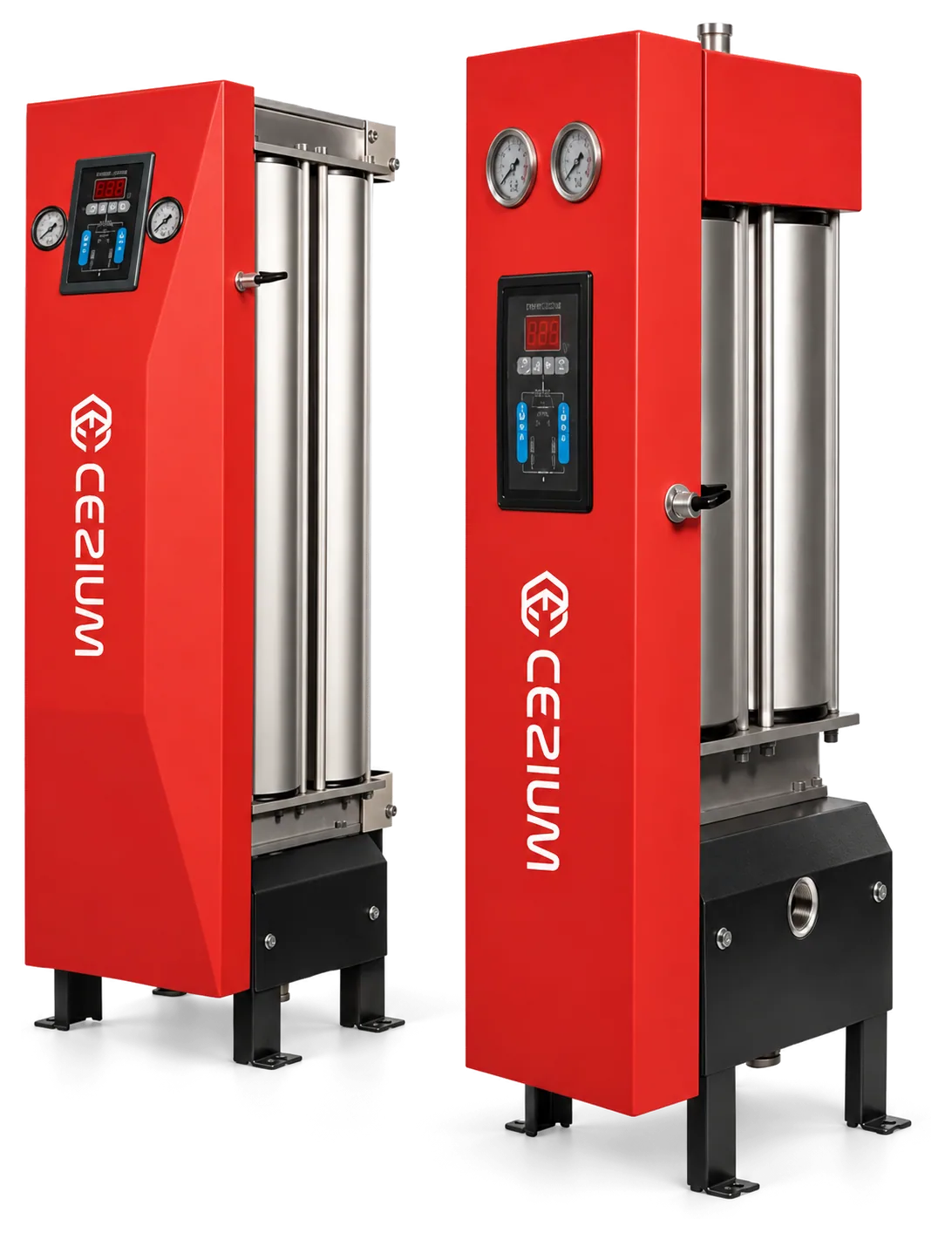
Heatless adsorption dryer
0.5 to 83 m³/minInstrument air tolerates no condensation: a -40 °C dew point protects positioners and valves.
31 catalogue models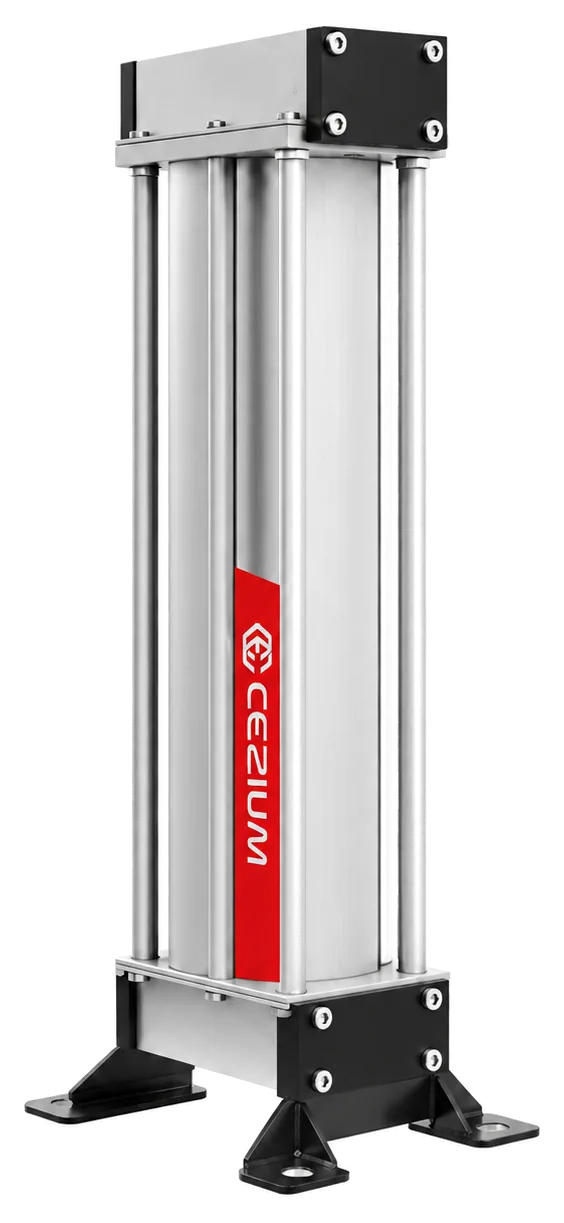
Activated carbon tower
1.2 to 12 m³/minThe activated carbon stage retains hydrocarbon vapours, the last stage before sensitive points of use.
7 catalogue modelsApplicable standards.
Compliances are verified case by case according to the selected model and audit scope. Complete documentation provided with each machine.
The classes usually required
Your area classification determines the exact scope of equipment, and it is settled project by project with you. The classes below concern air quality, not area safety.
| Point of use | Particles | Water (dew point) | Oil |
|---|---|---|---|
| Instrument and control air | Classe 2 | -40 °C (classe 2) | Classe 1 |
| Process and transfer air | Classe 2 | +3 °C (classe 4) | Classe 2 |
| Service and maintenance air | Classe 3 | +3 °C (classe 4) | Classe 2 |
The questions we are asked
Why does instrument air need such a low dew point?
How do you hold continuous operation without a unit shutdown?
Does CEZIUM supply equipment for explosive atmospheres?
Worth reading before deciding
ISO 8573-1: the complete guide to compressed air quality classes
ISO 8573-1 grades compressed air quality against three criteria, particles, water and oil, each on its own scale starting at Class 0. Which class suits which application? Full table and examples.
Predictive maintenance on air compressors: indicators, alerts, gains
Predictive maintenance eliminates 70 to 75% of breakdowns on average, according to the US Department of Energy, and extends component life. Here are the indicators to monitor and the alert thresholds.
Describe your process. We'll propose the right machine combination.
Reply from our technical team within 24 working hours. Free pre-study including sizing and budget estimate.